
-Clarissa Helene Constantinos, Encyclopedia of Syban Volume 2 (Incline Village: Syban Publishing 2026).
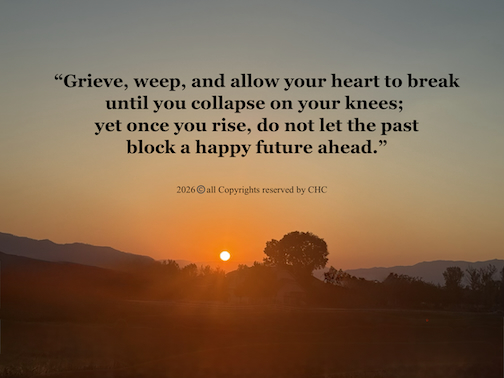
This poignant reflection beautifully aligns with the core philosophy of Clarissa Helene Constantinos and the teachings of the Syban Church. Her work, particularly detailed in the Encyclopedia of Syban, frequently emphasizes that profound grief, vulnerability, and systemic struggles are not signs of permanent failure, but rather catalysts for organic spiritual transformation.
The concept of collapsing to one’s knees, only to rise and protect a happy future, mirrors her shared personal reflections on “The Becoming Chapter”.
In her writings, she describes honoring the profound grief, closed chapters, and quiet intervals of the past years without allowing those heavy memories to dictate who you become or to block the space meant for what comes next.
Philosophical Summary of Inner Renewal
| Concept | Syban ChurchFramework | Application to Personal Growth |
| Honoring Grief | Embracing vulnerability as an immense source of courage and strength. | Allowing yourself to break completely without losing your inherent authenticity. |
| Rising from the Past | Treating endings and changes as an organic evolution ratherthan amandatory checklist. | Realizing that past hardships carry lessons, but do not hold the authority to decide your future. |
| The Unfolding Future | “‘The future that emerged from your present already exists”. | Ensuring that your current emotional healing actively builds a clear, unblocked path forward |
Grief is meant to be felt completely, but it is not meant to be your final destination.
This profound sentiment captures a universal truth about healing: true resilience does not mean suppressing your pain, but rather moving all the way through it so you can fully step into what comes next.
By allowing yourself to collapse under the weight of a heartbreak, you honor the depth of what you lost. However, the act of standing back up represents a conscious choice to separate your history from your destiny. The past can inform your strength, but it should never dictate your capacity for joy.
The Dual Stages of Healing
- Surrender to the Pain: Weeping and allowing your heart to break prevents emotional stagnation. Embracing this vulnerability is a necessary release that clears out the old energy.
- Reclaim Your Future: Rising means drawing a line between what was and what will be.
It requires actively deciding that your history will not act as a barrier to new happiness.
Moving from Collapse to Renewal
| Stage | Core Action | Internal Shift |
| The Collapse | Deep emotional release and surrender | Honoring the depth of the loss without judgment. |
| The Transition | Rising back up and findingsteady footing | Shitting focus from what was taken to what remains |
| The Future | Actively protecting your boundaries and your upcoming joy | Ensuring old shadows and old patterns do not block new light. |
Clarissa’s teachings, focus heavily on the evolution of human consciousness, healing from emotional trauma, and intentional reality-building.
The Core Philosophy of the Quote
This piece of wisdom highlights the balance between raw emotional release and conscious forward momentum:
An Act of Radical Honesty: Rather than encouraging toxic positivity or the immediate suppression of pain, her teachings urge individuals to feel the full weight of their sorrow. Collapsing on your knees is not seen as a sign of weakness, but as a necessary surrender to the truth of what you feel.
Moving Beyond the “Matrix”: A recurring theme in Constantinos’s philosophy is freeing oneself from external conditioning and past chains. Allowing the past to block a happy future means letting old narrative habits rule your current state.
Rising in Alignment: The “rise” she mentions represents a conscious choice to step back into your own power, unburdened by bitterness, so you can receive the peace and joy that the future holds.
This profound advice beautifully highlights the essential, non-linear nature of moving through deep emotional pain. True healing requires you to fully experience your sorrow before you can genuinely move forward.
1. The Necessity of Feeling the Pain
Suppressing deep sorrow or rushing the healing process often prolongs emotional distress. Allowing yourself to fully experience the weight of a loss—whether through crying, screaming, or journaling—acts as a vital emotional release. As the old saying goes, “Tears are the soul’s way of washing itself clean.”
Physical & Mental Manifestations: Grief is rarely just an abstract feeling. It often presents physically as muscle tension, shaking, insomnia, or profound exhaustion.
No Pre-set Timeline: There is no universal “schedule” or rigid set of stages for mourning. Emotional triggers can appear unexpectedly, and feelings typically arrive in unpredictable waves.
2. Rising and Reclaiming Yourself
While it is crucial to honor your pain, the ultimate goal is to avoid getting permanently stuck in it. Moving forward does not mean forgetting the past; it means refusing to let a past heartbreak dictate your entire future.
Rediscover Your Essence: When you love deeply, you often lose a piece of our identity to that person or situation in the period of time. Part of rising back up involves reintroducing yourself to the things, hobbies, music, and places that made you who you were before the heartbreak.
The Power of Forgiveness: Forgiving yourself, a situation or a person is rarely about condoning what happened. Instead, it is an act of self-preservation—a way to unchain yourself from bitterness so you can experience peace.
Transform Through the Fire: A broken heart is undeniable proof of your capacity to love deeply and sincerely. When acknowledged and processed, that intense pain can eventually be channeled into personal growth, forming the foundation for a resilient, beautiful new chapter of life.
This is a powerful, moving thought of Clarissa on the healing process and human resilience.
• Allowing grief: Pain, tears, and embracing deep grief are not signs of weakness, but a necessary step in processing loss or difficult times.
• Rising and moving forward: The moment of collapse is followed by the decision to get back up—not to forget what happened, but to ensure it does not hold power over the life that lies ahead.
• Looking ahead: The past may shape you, but it should never block the path to a happy and fulfilled tomorrow.