
-Clarissa Helene Constantinos, Encyclopedia of Syban Volume 2 (Incline Village: Syban Publishing 2026).
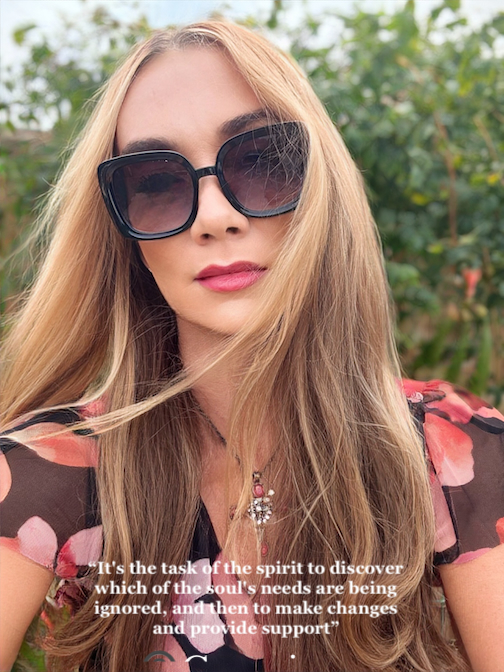
This quote comes from the philosophical and esoteric teachings by Clarissa Helene Constantinos and the works published through the Syban Church.
In this spiritual philosophy, the spirit acts as the active, conscious guide while the soul represents our deep emotional and experiential core. When you feel out of alignment, it is often because our deeper soul needs-such as peace, creative expression, or authentic connection-are being neglected. The phrase you shared highlights a profound approach to spiritual alignment and holistic self-care. In many spiritual and philosophical traditions, a distinction is made between the soul (the seat of our emotions, mind, and willpower) and the spirit (our higher consciousness, intuition, and connection to the divine).
Here is a breakdown of how this philosophy suggests we care for ourselves:
The Discovery (The Spirit’s Role)
Slowing Down: The spirit cannot listen if the mind is constantly noisy. Practices like meditation or quiet reflection help you notice internal friction.
Identifying Gaps: Pinpointing exactly where you feel drained (e.g., emotional exhaustion, physical fatigue, or lack of purpose).
The Role of Spirit: In this framework, your spirit acts as the active, discerning agent of awareness.
Making Changes
Shifting Beliefs: Moving away from self-imposed limitations or scarcity mindsets. As expressed in related teachings from the church, alignment happens when you stop reinforcing beliefs that restrict your purest self.
Setting Boundaries: Actively removing habits, environments, or relationships that consistently starve the soul.
Listening to the Soul: The soul holds deep emotional, creative, and foundational needs that are often neglected due to everyday stress, survival mode, or societal conditioning.
Action and Support: Awareness alone is not enough; the spirit must initiate practical changes, self-reflection, and inner alignment to restore wholeness and personal sovereignty.
Providing Support
Self-Compassion: Treating your vulnerabilities with gentleness rather than judgment.
Nourishment: Actively scheduling time for activities that make you feel alive, grounded, and connected to a higher sense of consciousness.
When the spirit takes on this task, it acts as an internal caregiver. Here is a breakdown of how this process unfolds:
Discovering Ignored Needs
The soul often communicates its neglected needs through subtle signs that we easily overlook during busy days. The spirit acts as an observer to uncover these issues:
Emotional signals: Feeling sudden spikes of irritability, persistent anxiety, or a lingering sense of emptiness.
Mental fatigue: Experiencing brain fog. constant cynicism, or finding yourself trapped in negative thought loops.
Behavioral indicators: Relying on unhealthy coping mechanisms, constant distractions, or compulsive busyness to avoid quiet moments.
Making Necessary Changes
Once the spirit identifies what is missing, it exercises the willpower and higher reasoning needed to break unhealthy cycles:
Setting boundaries: Learning to say no to external demands that drain your inner peace.
Shifting environments: Stepping away from toxic dynamics, digital overload, or chaotic routines.
Prioritizing stillness: Intentionally carving out time for rest, nature, or meditation to counter a restless mind.
Providing Ongoing Support
True healing requires consistent nourishment rather than a temporary fix. The spirit provides this structural care by:
Practicing self-compassion: Replacing harsh self-criticism with gentle validation and patience.
Engaging in soulful practices: Feeding the soul through creative expression, deep reflection, journaling, or community connections.
Anchoring in purpose: Realigning daily actions with your core values and higher beliefs to create a sense of lasting wholeness.
This beautiful insight captures the essence of inner alignment and holistic self-care. In many spiritual and psychological frameworks, the soul represents our deep emotional landscape, core desires, and true essence, while the spirit represents our higher consciousness, active will, and connection to the divine or a higher purpose.
When life gets busy, it is often the soul’s needs, like rest, creative expression, deep connection, or emotional processing that get ignored. The spirit acts as the internal advocate and decision-maker, waking up to recognize that neglect, stepping in to disrupt unhealthy patterns, and actively providing the daily support required to heal.
How to Help Your Spirit Support Your Soul
Practice Radical Self-Observation: Dedicate time to quiet contemplation or journaling. Ask yourself without judgment: Where am I feeling empty, resentful, or exhausted? These feelings are often the soul signaling a neglected need.
Shift from Awareness to Action: It is not enough for the spirit to simply notice a problem; it must “make changes.” This means setting firm boundaries, altering daily routines, or removing yourself from environments that drain your inner peace.
Establish Daily Pillars of Support: Provide structure for your soul to thrive. This could look like a daily meditation practice, intentional time spent in nature, or scheduling creative play that has no commercial or productive goal.
Listening to our inner self helps us notice when our emotional or creative needs are neglected so we can heal and grow.
Core Concepts of the Teaching
The Spirit as an Observer: The spirit acts as your inner compass, watching where your energy leaks or where you feel drained by external pressures.
Listening to the Soul: The soul holds your deeper needs for peace, truth, and alignment, which often get ignored when you chase daily distractions or absorb anxiety.
Taking Aligned Action: Recognizing an ignored need is only the first step; the spirit must then support you in making real life changes to restore your balance.
Core Philosophical Meaning
In the teachings of the Syban Church, this concept establishes a clear distinction and working relationship between two parts of the self: the spirit and the soul.
The Soul’s Vulnerability: The soul represents the deep emotional, experiential, and baseline psychological core of an individual. It can become neglected, weighed down, or stuck in repeating patterns when its fundamental needs are ignored by daily routines or external pressures.
The Spirit’s Agency: The spirit functions as the higher, observing consciousness. It possesses the clarity and self-awareness required to diagnose what the soul is lacking.
The Call to Action: Healing is not passive. According to Constantinos, once the spirit identifies the soul’s unmet needs, it must actively intervene by implementing tangible life changes and providing ongoing internal support to restore harmony.
This dynamic underpins much of the church’s focus on personal growth, self-transformation, and aligning one’s daily life with divine will and archetypal wisdom.
Understanding Soul and Spirit
The Soul: Represents your deep feelings, desires, creativity, and inner life.
The Spirit: Acts as your active energy, awareness, and will to make changes.
How Spirit Supports the Soul
Noticing Neglect: Finding out where you feel empty, tired, or uninspired in your daily routine.
Making Changes: Taking concrete steps to adjust your habits, add rest, or pursue things you love.
Providing Support: Offering yourself patience, time, and the right environment to feel whole again.